The World of Competitive Youth Robotics
Participating in robotics competitions like WRO (World Robot Olympiad) and FLL (FIRST LEGO League) accelerates student skill growth by simulating real-world engineering constraints: strict time limits, unexpected arena lighting, and precision mission objectives.
1. Master Odometry and Sensor Redundancy
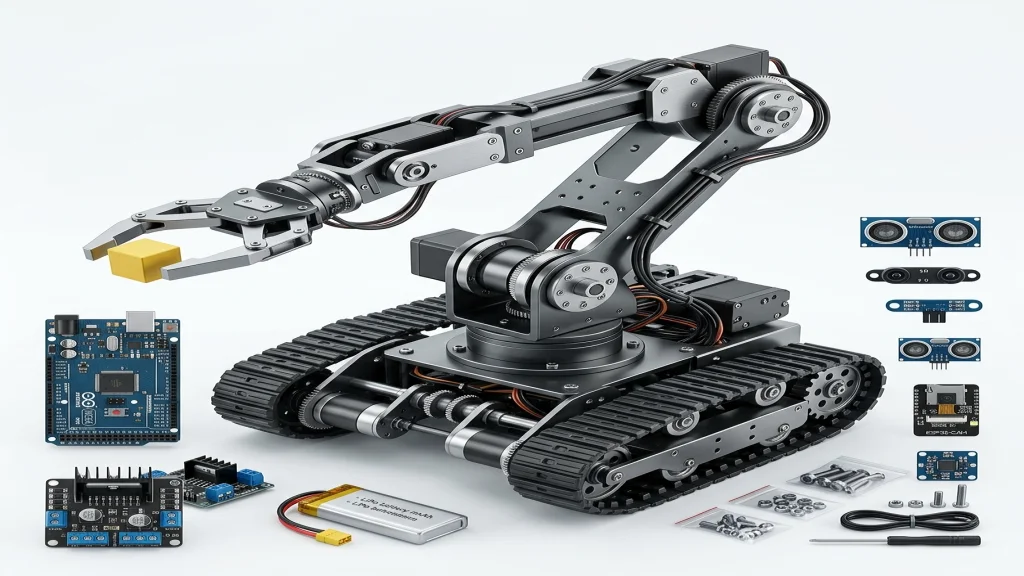
Relying solely on wheel rotation counts inevitably leads to drift. Competitive teams integrate dual color sensors for line squaring, gyro sensors for 90-degree cornering, and ultrasonic avoiders to recalibrate field positions.
2. Modular Attachment Mechanisms
Winning teams don't build a new robot for each mission. They design an agile base platform with quick-swap motor attachments (passive hooks, motorized rack-and-pinion lifts, forklift grippers) that switch in under five seconds.
3. Engineering Notebooks and Presentation Skills
Tournaments evaluate teamwork and technical documentation just as much as table run scores. Students must articulate design trade-offs, programming architecture, and code iterations clearly before judge panels.