Why Hands-on Robotics is Transforming Indian Classrooms
Traditional education frequently separates scientific theory from tangible application. Students memorize textbook definitions of electricity, torque, and algorithms without seeing these principles interact in the physical world. At STEMix Academy in Kovilpatti, we witness firsthand how introducing physical robotics kits dramatically alters a student's relationship with learning.
From Consumers to Creators of Technology
Children naturally interact with smartphones, video games, and automated machines daily. However, passive consumption does not build technological literacy. When an 8-year-old builds a line-following rover, wires infrared sensors, and programs motor speed controls, technology ceases to be magical black-box equipment. It becomes a system of logical rules they control.
Key Educational Benefits Observed in Tamil Nadu Students
- Spatial and Kinetic Reasoning: Assembling chassis brackets and gears reinforces physical geometry and mechanical advantage.
- Algorithmic Debugging Resilience: When code fails, students do not receive a red penalty mark; they examine sensor values, test hypotheses, and iterate until the robot navigates the maze.
- Collaborative Communication: Robotics tasks encourage peer problem-solving, dividing roles into mechanical assembly, circuit wiring, and software logic.
Implementing Practical STEM Without High Costs
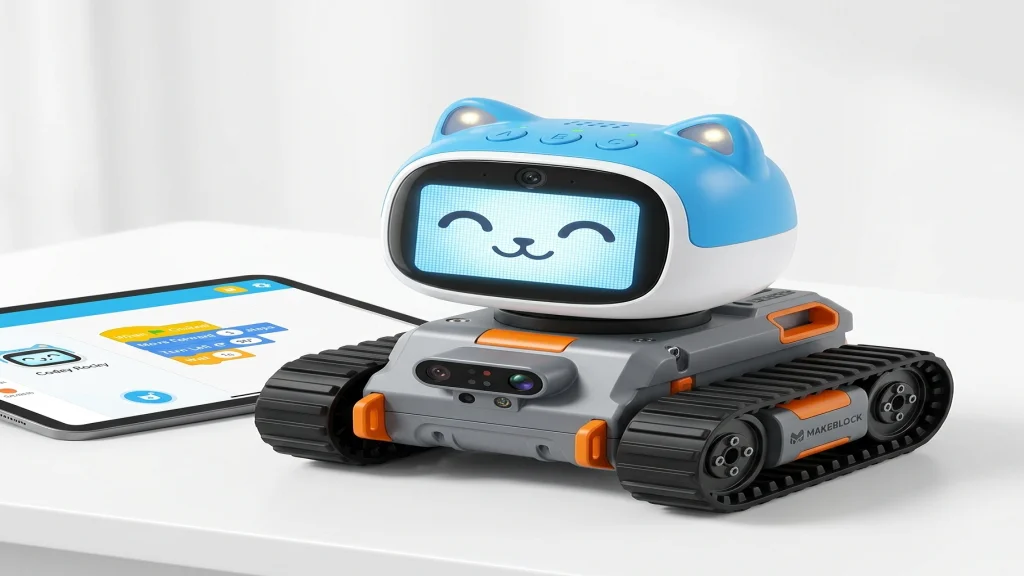
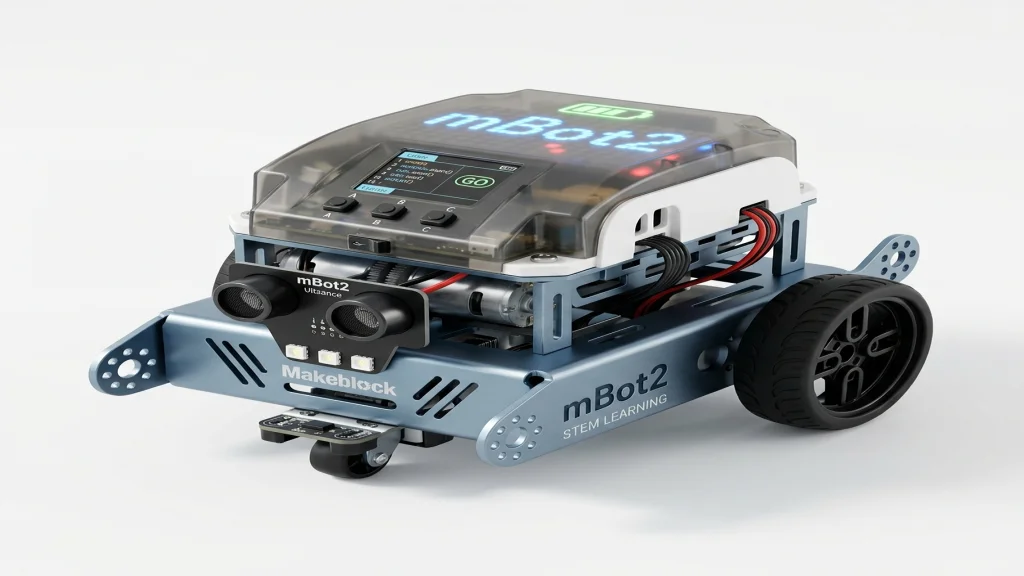
Schools in semi-urban regions often worry about lab infrastructure costs. Modular platforms like mTiny and mBot2 prove that robust, durable STEM equipment can be seamlessly integrated into existing weekly timetable periods without requiring dedicated computer servers.